In July 2026, Scouts once again filled the Summit Bechtel Reserve with tents, patches, activities and friendships.
They were continuing a tradition that began nearly 90 years ago.
Scouting America’s National Jamboree has been held at landmarks, state parks, military installations and sprawling outdoor properties across the country. Each gathering has reflected a different moment in American history, but every Jamboree has been built around the same basic idea: bring Scouts together to discover just how large and varied the Scouting movement truly is.
A beginning delayed by polio
The first National Jamboree was planned for Washington, D.C., in 1935 as part of Scouting’s 25th anniversary celebration.
Just weeks before Scouts were scheduled to arrive, the event was canceled because of a polio outbreak. Organizers kept the idea alive, and two years later the National Jamboree finally became a reality.
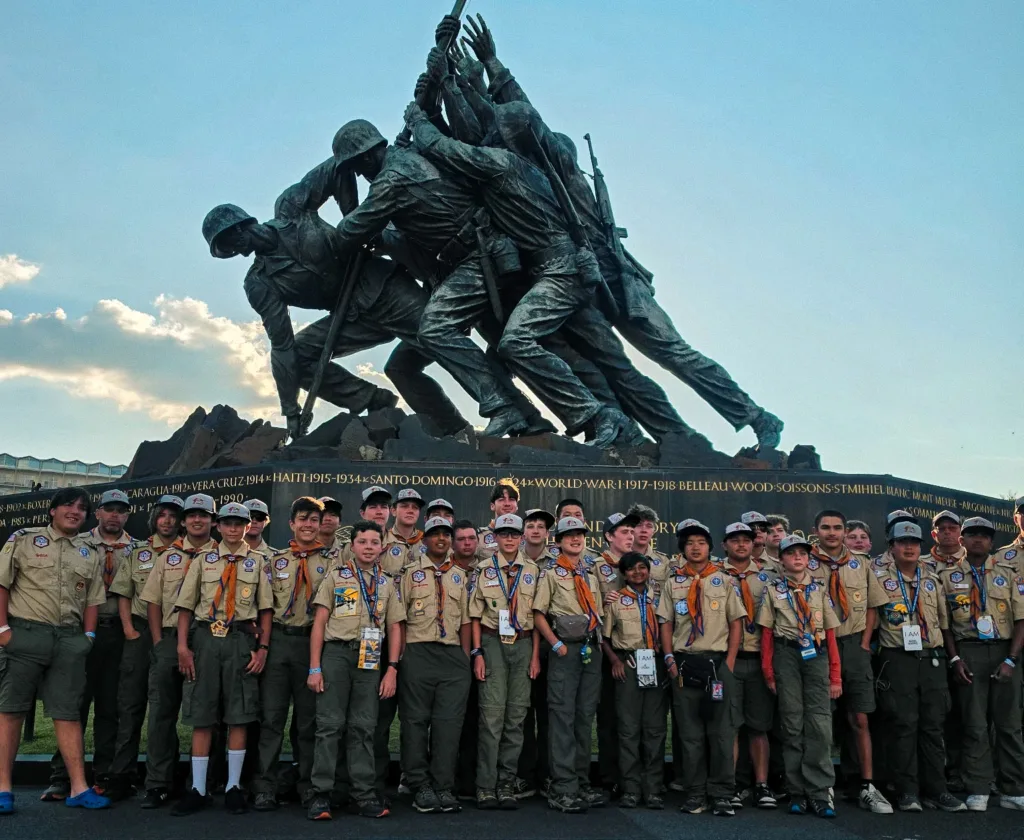
In 1937, more than 27,000 Scouts and leaders gathered in the nation’s capital. Rows of tents stretched around the Washington Monument, creating a temporary Scouting city in the heart of Washington. President Franklin D. Roosevelt visited the gathering, beginning a long tradition of presidential participation in National Jamborees.
Jamboree returns after World War II
Another National Jamboree would not be held for 13 years. World War II and the years immediately following it interrupted plans for another national gathering.
The Jamboree returned in 1950 at Valley Forge, Pennsylvania. More than 47,000 people attended, beginning an era of larger gatherings held in different regions of the country.
Just three years later, the National Jamboree came to Orange County.
The Jamboree comes to Irvine Ranch
The 1953 National Jamboree was held on Irvine Ranch, long before much of modern Orange County had been developed.
More than 45,000 Scouts and leaders attended. For today’s Orange County Scouts, that gathering is an important reminder that our community has its own place in National Jamboree history.
The Jamboree returned to Valley Forge in 1957 and again in 1964. Between those gatherings, Scouts traveled to Colorado Springs for the 1960 Jamboree.
A Jamboree that moved across America
The event continued traveling during the 1960s and 1970s.
Farragut State Park in Idaho hosted the 1969 gathering. In 1973, the Jamboree was divided between two locations—Farragut State Park and Moraine State Park in Pennsylvania. Combined attendance exceeded 73,000, making it the largest National Jamboree recorded through 2010.
Moraine State Park hosted the full event in 1977.
Moving the Jamboree allowed Scouts to experience different parts of the country, but it also meant constructing an enormous temporary community at each new location. Campsites, program areas, transportation systems, medical facilities and other infrastructure had to be established for every gathering.
Nearly 30 years at Fort A.P. Hill
In 1981, the National Jamboree moved to Fort A.P. Hill in Virginia.
The military installation became its most consistent home to that point, hosting every National Jamboree from 1981 through 2010. Seven gatherings were held there: 1981, 1985, 1989, 1993, 1997, 2001 and 2005.
The final Fort A.P. Hill Jamboree took place in 2010 as Scouting celebrated its 100th anniversary in the United States. More than 43,000 people attended.
By then, plans were underway for a permanent National Jamboree home built specifically around Scouting’s outdoor program.
A permanent home in West Virginia
The Summit Bechtel Reserve in West Virginia opened in 2013 as Scouting America’s newest national high-adventure base and the permanent home of the National Jamboree.
Unlike earlier locations, the Summit could be improved between gatherings. Permanent facilities and activity areas reduced the need to rebuild an entire program site every four years.
The first National Jamboree at the Summit was held in 2013. Scouts returned in 2017, experiencing a program shaped by the property’s mountains, forests and purpose-built high-adventure facilities.
The Summit also hosted the 2019 World Scout Jamboree, welcoming Scouts from countries around the world. The World Scout Jamboree is a separate international event, but its presence at the Summit added another chapter to the property’s Scouting history.
Another interruption
The next National Jamboree was scheduled for 2021, but the COVID-19 pandemic made planning a safe national gathering impossible. Scouting America postponed the event, marking the second time a public-health crisis disrupted Jamboree plans.
The first was the polio outbreak of 1935. In both cases, the interruption delayed the gathering but did not end the tradition.
The National Jamboree returned to the Summit in 2023.
The tradition continues in 2026
From July 22–31, the 2026 National Jamboree once again brought Scouts together at the Summit Bechtel Reserve.
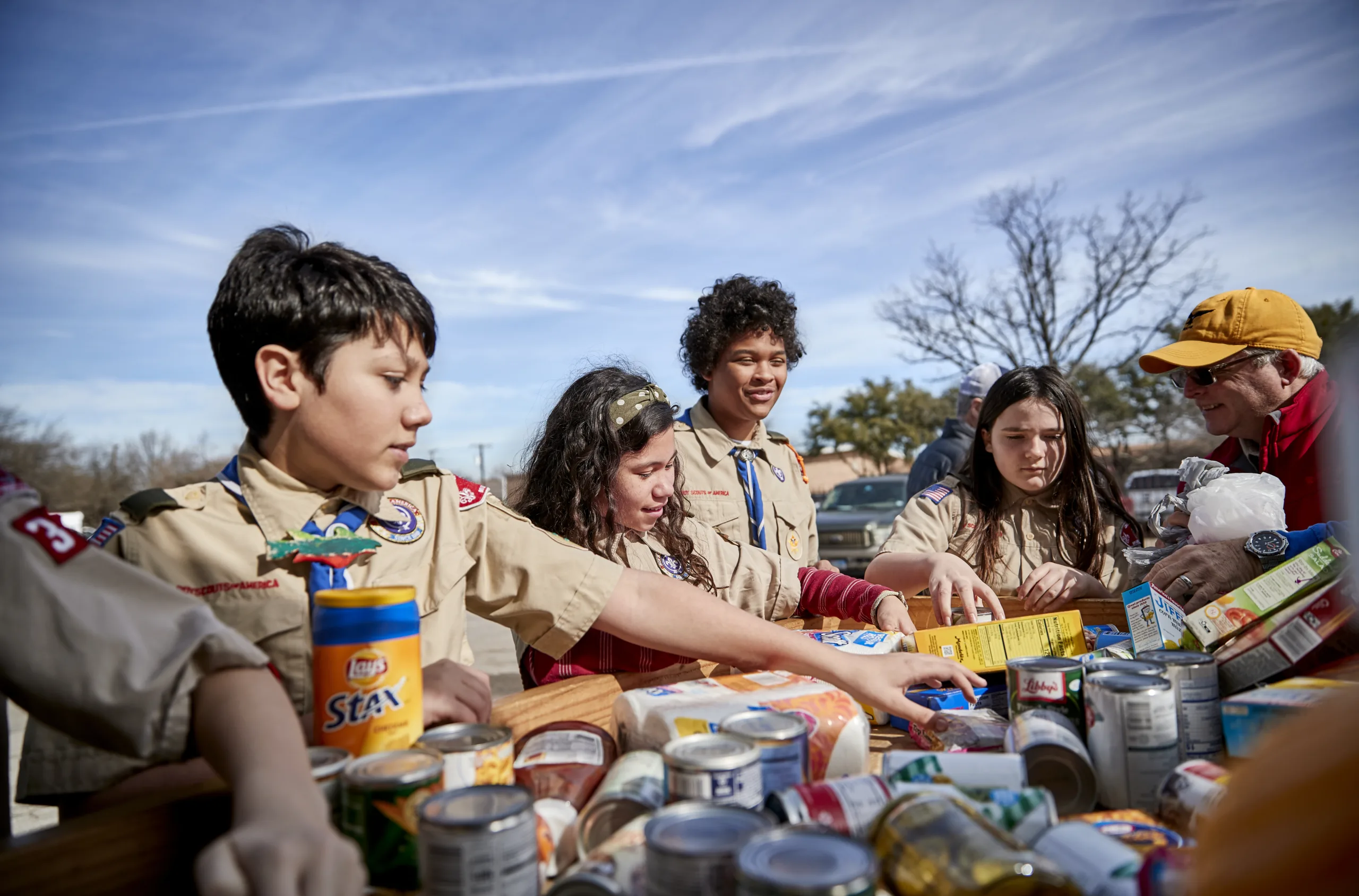
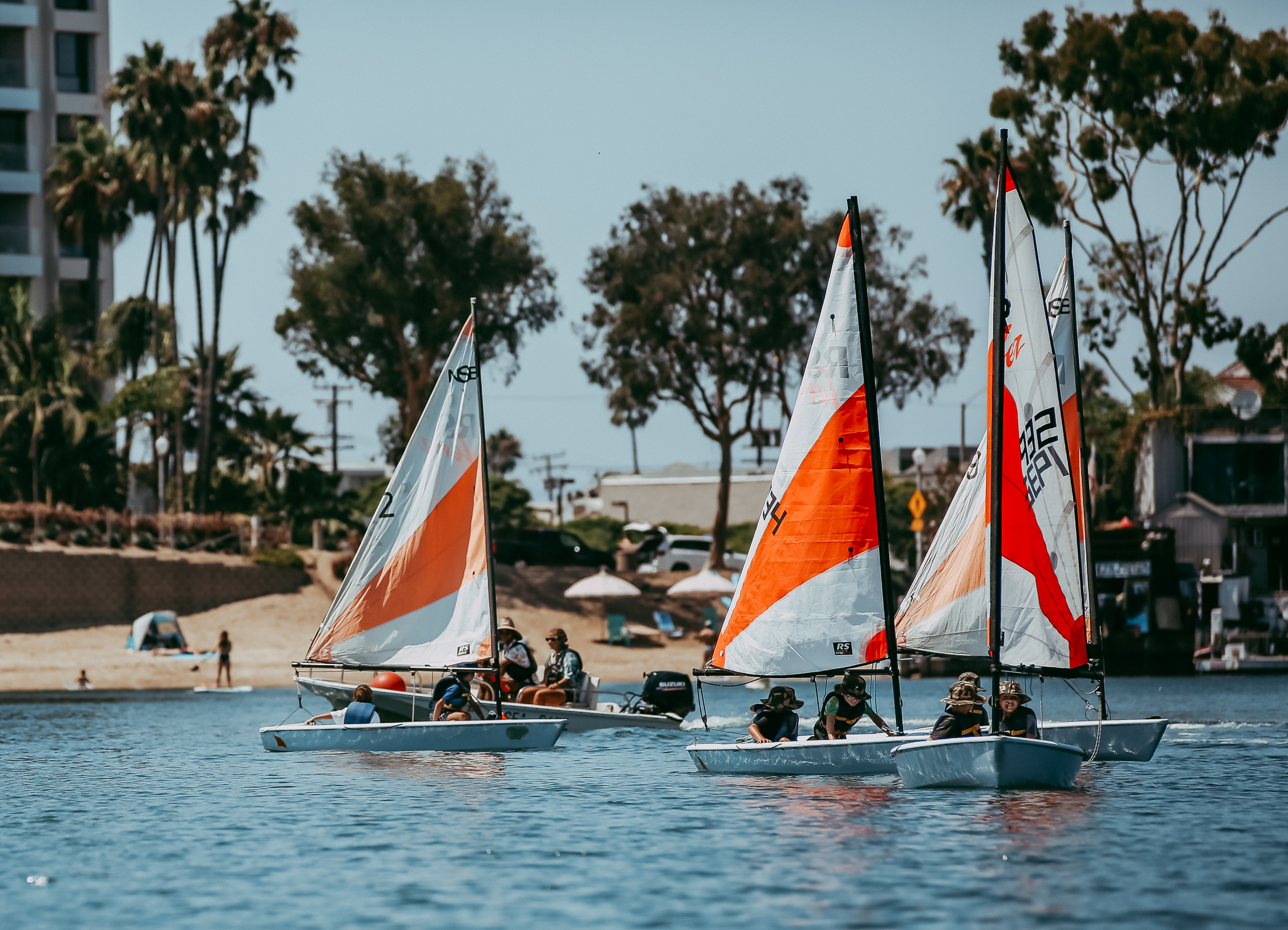
The equipment and activities looked very different from those surrounding the Washington Monument in 1937. Yet much of the experience would have been familiar to those first participants: sleeping under canvas, meeting Scouts from faraway communities, trading patches and discovering that their local unit belongs to something much larger.
That is the enduring value of the National Jamboree.
For most young participants, it is a rare opportunity—often available only once during their years as a Scout. For alumni and longtime volunteers, a Jamboree patch can immediately bring back memories of a particular summer, campsite and group of friends.
Nearly 90 years after the first gathering, the National Jamboree remains more than a large camping event. It is a living connection between generations of Scouts and a reminder that the movement’s greatest adventures are meant to be shared.
National Jamboree timeline
- 1935: Planned Washington, D.C., Jamboree canceled because of a polio outbreak
- 1937: Washington, D.C.
- 1950: Valley Forge, Pennsylvania
- 1953: Irvine Ranch, California
- 1957: Valley Forge, Pennsylvania
- 1960: Colorado Springs, Colorado
- 1964: Valley Forge, Pennsylvania
- 1969: Farragut State Park, Idaho
- 1973: Farragut State Park, Idaho, and Moraine State Park, Pennsylvania
- 1977: Moraine State Park, Pennsylvania
- 1981–2010: Seven National Jamborees at Fort A.P. Hill, Virginia
- 2013: First National Jamboree at Summit Bechtel Reserve
- 2017: National Jamboree at the Summit
- 2021: Postponed because of the COVID-19 pandemic
- 2023: National Jamboree returns
- 2026: The tradition continues at Summit Bechtel Reserve